Friction materials,
engineered from
one source
Brake and motion-control components developed, manufactured and inspected in-house, as one accountable partner to your engineering and R&D teams.
Start the Technical Conversation →Friction Technology is a single-source manufacturer of friction materials and complete brake components, operating as an extension of your engineering and R&D teams, from early-stage development through production and lifecycle support.
Every stage is managed in-house in Caernarfon, North Wales. Part of n Industries Group.


Three reasons engineering teams come to Friction Technology
Start with the situation you need to solve. FTL can support the project from its current stage through manufacture and ongoing supply.
Launch new programme or product support
From early requirements and material selection through prototype manufacture, testing, validation support and controlled serial production.
Explore New Programme Support →Replace a legacy or obsolete component
Reverse engineer a friction material or complete component when the original drawing, material or supplier is no longer available.
Explore Reverse Engineering →Improve an underperforming system
Investigate inconsistent braking, excessive wear or thermal problems and assess whether material, design or operating conditions need to change.
Explore Performance Optimisation →A trusted, accountable supplier since 2003
High-performance friction and braking solutions, backed by decades of in-house expertise and supplied to OEM and aftermarket customers worldwide.
One accountable supplier.
Fewer handovers.
Clearer technical control.
A fragmented supply route can separate the friction material producer, machinist, bonder, finisher and inspector across several organisations. Friction Technology brings these stages into one integrated manufacturing flow, giving your team a single technical and commercial point of accountability from the initial brief to the finished component.
The FTL route one integrated chain
- Materials
- Machining
- Friction
- Bonding
- Finishing
- Inspection
- Delivery
What an integrated chain gives your team
- Consistent product quality
- Shorter lead times
- Clear accountability
- Full traceability
- Reduced admin workload
- Fewer POs, simpler logistics

A fragmented supply chain introduces inefficiencies, delays and complexity.
What FTL can deliver within the same manufacturing chain
The required route depends on the application. FTL can support one stage or manage the connected process from friction material development through finished, inspected components.
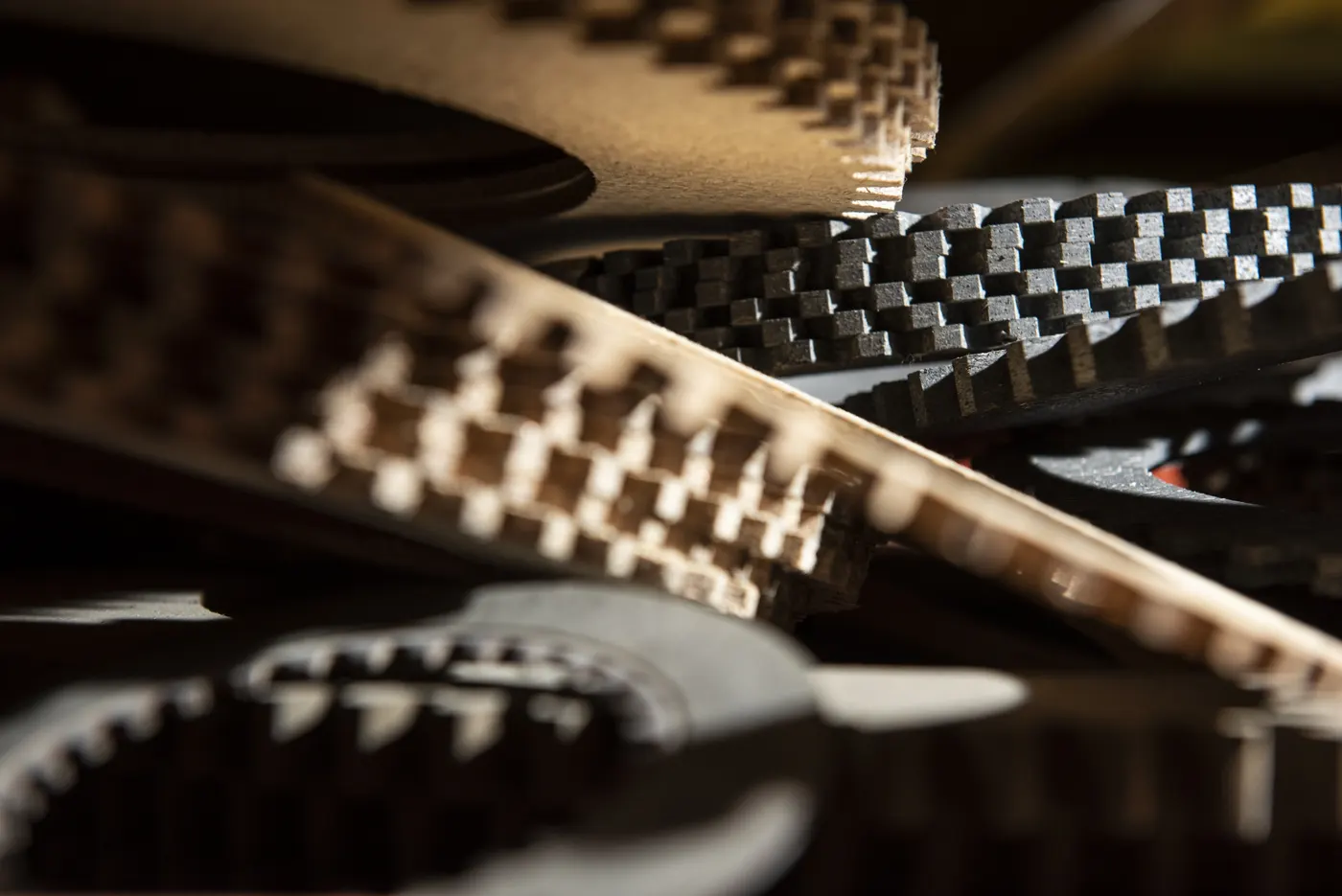
Friction material selection and formulation
Select, develop or optimise organic, composite, sintered, Kevlar and woven materials around the operating environment and performance requirements.
Explore Custom Friction Materials →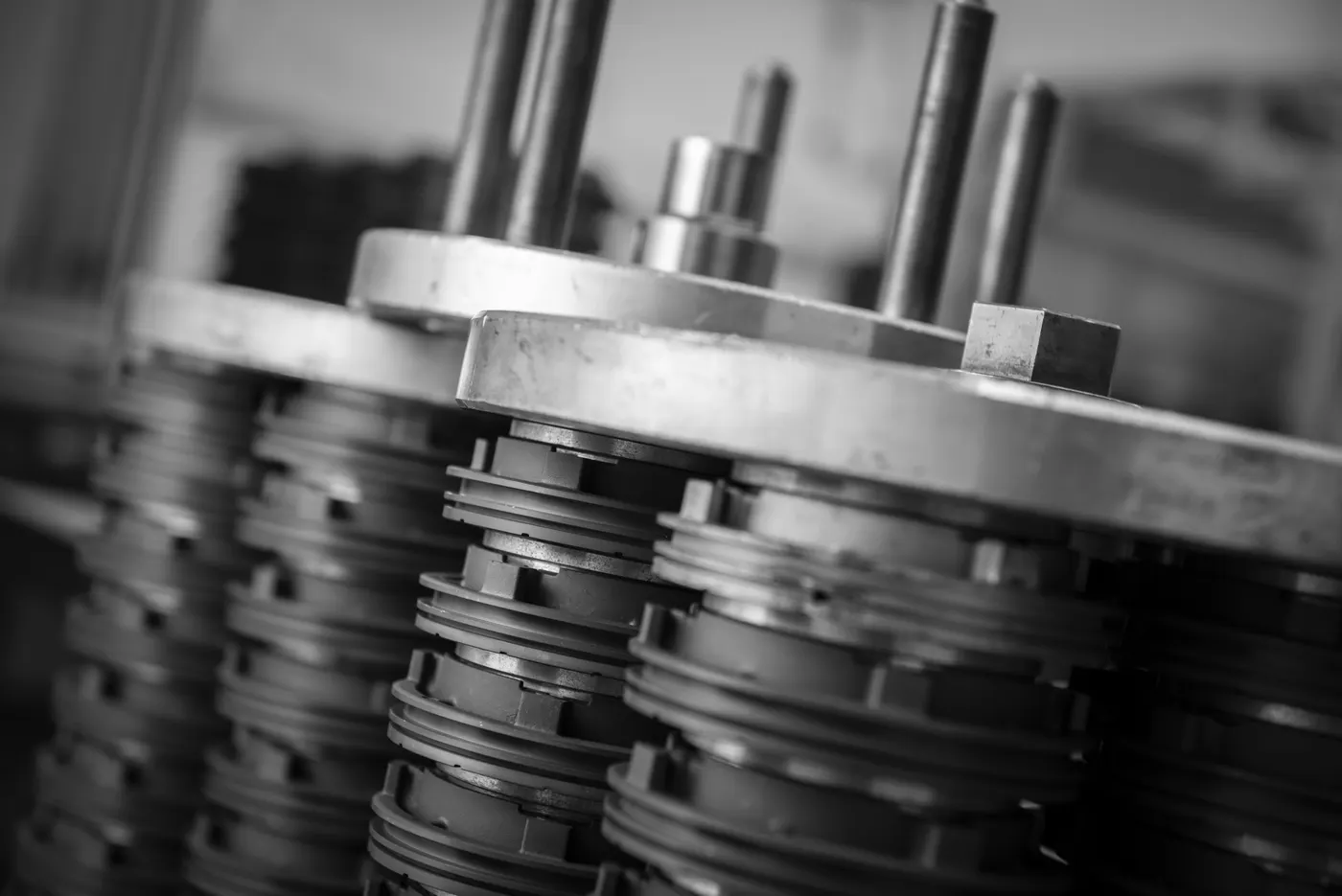
Engineering and component development
Support for new designs, existing components and legacy-part redevelopment using the available brief, drawings, specifications or component information.
Explore Engineering & Design →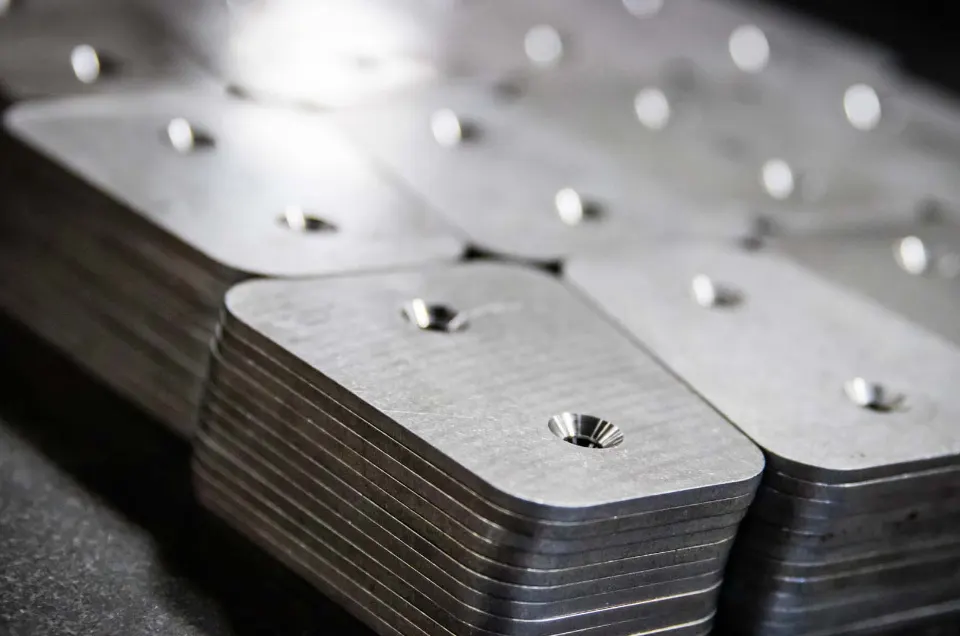
Precision component manufacture
CNC machining of friction and metallic components, then controlled bonding, surface preparation, finishing and assembly where required.
CNC Machining & Bonding →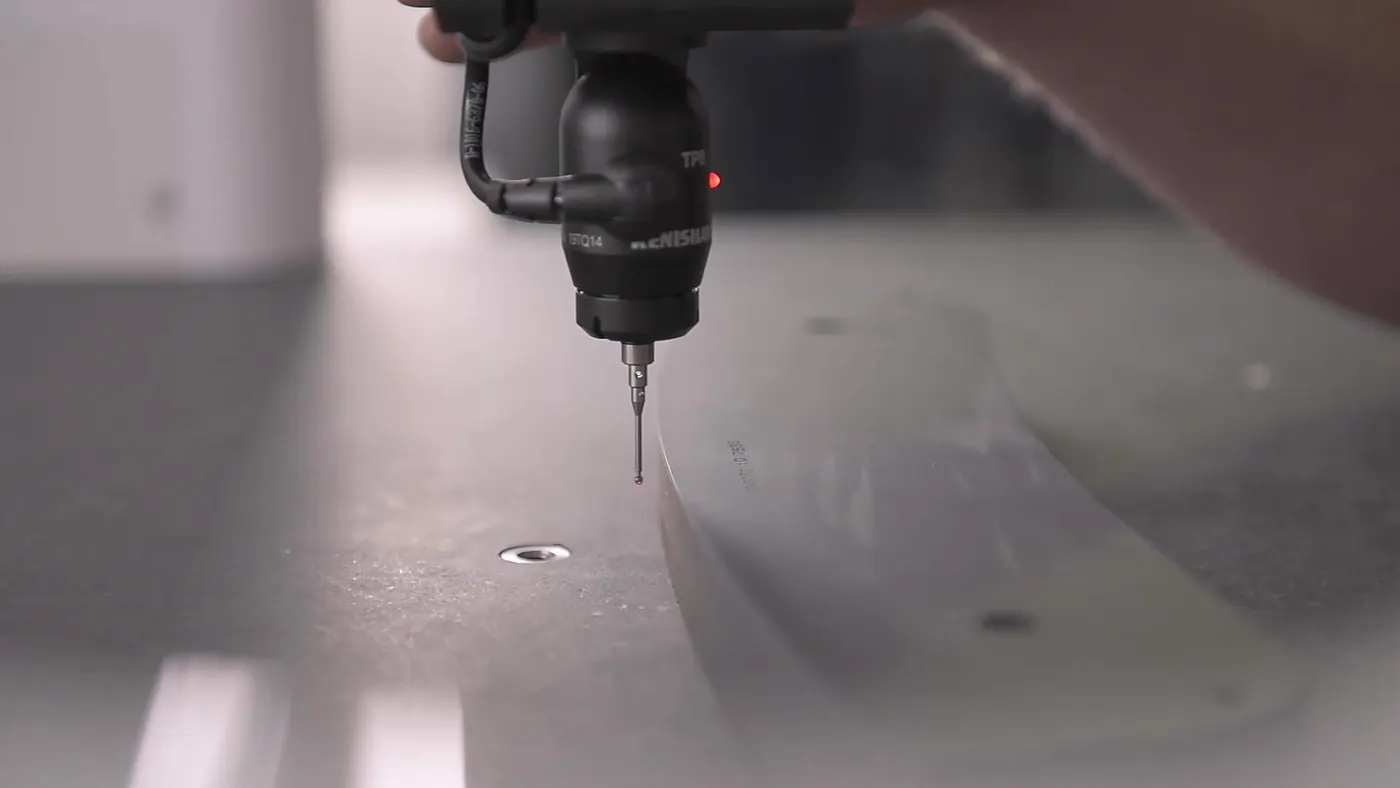
Testing, inspection and production evidence
CMM dimensional inspection, dynamic and material testing, shear testing, in-process checks, final inspection and production documentation.
Testing & Inspection →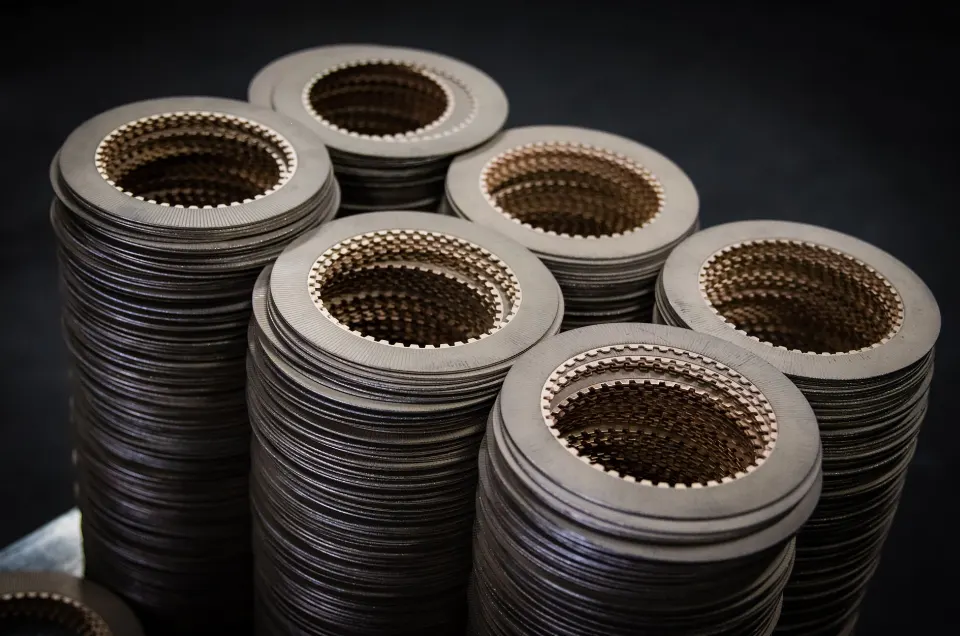
Serial and lifecycle supply
Secure finished-goods storage, scheduled call-off, customer-specific packaging and labelling, export documentation and international shipping.
From application brief to serial supply
A drawing is useful, but it is not the only way to begin. The first conversation can start with the application and what the friction system needs to achieve.
Define the application
- Temperature
- Load
- Speed
- Contamination
- Installation space
- Drawings / specs
- Known problems
Establish the material route
- Assess an established formulation, or develop and optimise where needed
- No outcome promised before technical and validation review
Develop and manufacture
- Machining, bonding, finishing, assembly and inspection stages
Test and support validation
- Dimensional, material, dynamic or shear testing in scope
- Evidence and engineering support for the customer's approval process
Controlled repeat supply
- Repeat manufacture, inventory, call-off, packaging, international delivery
Engineering support for regulated and demanding sectors
FTL supports applications where friction performance, manufacturing repeatability, traceability and continuity of supply matter.
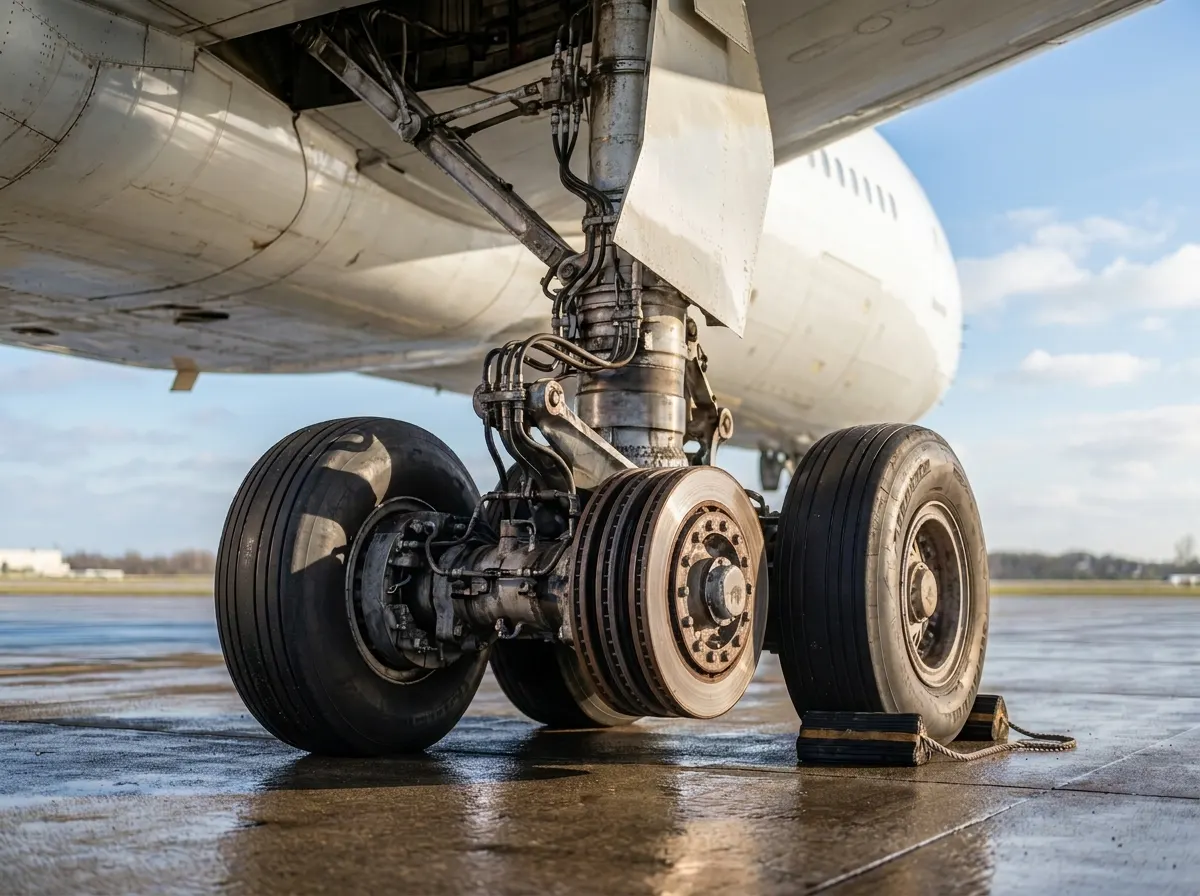
Aerospace
New programmes, actuation and landing-gear applications, braking assemblies and obsolete-component continuity.
Aerospace →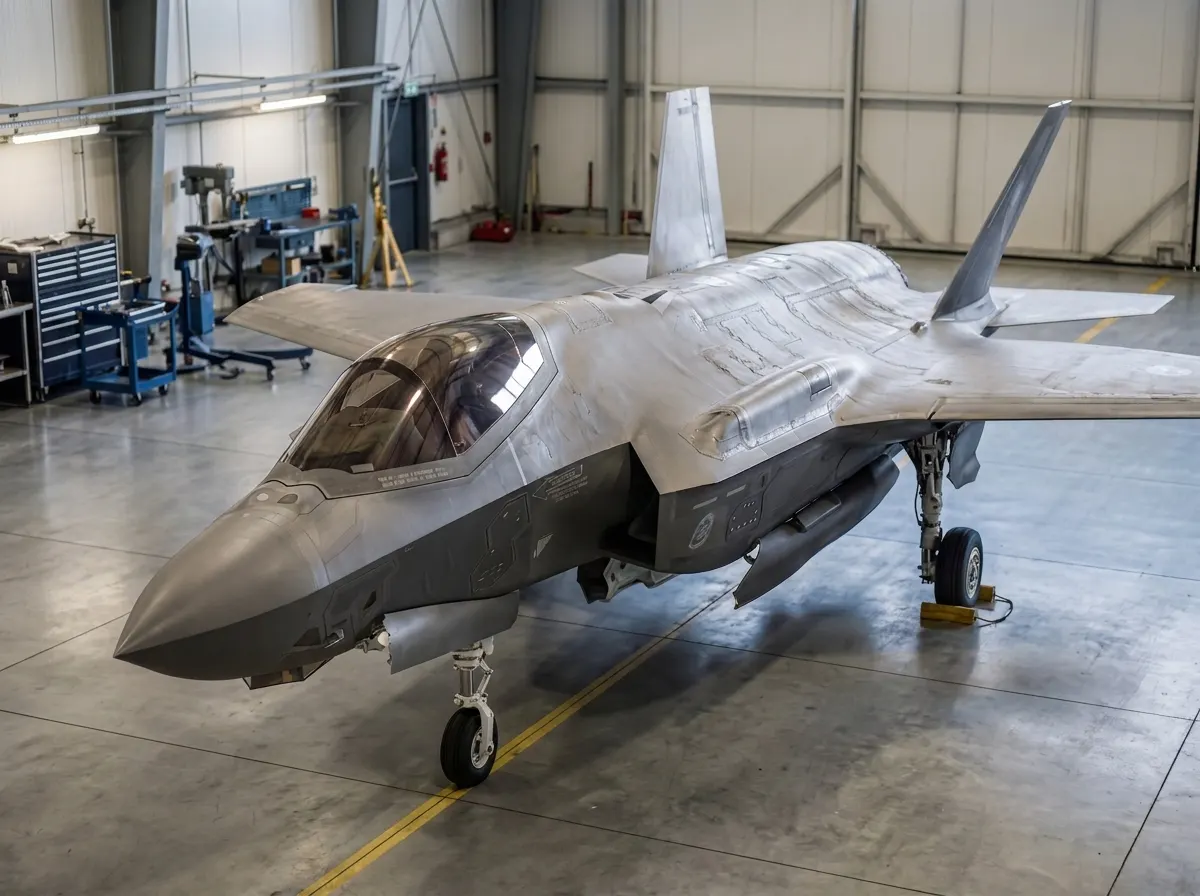
Defence
Engineering and controlled manufacture with traceability, QMS, JOSCAR registration and Cyber Essentials.
Defence →
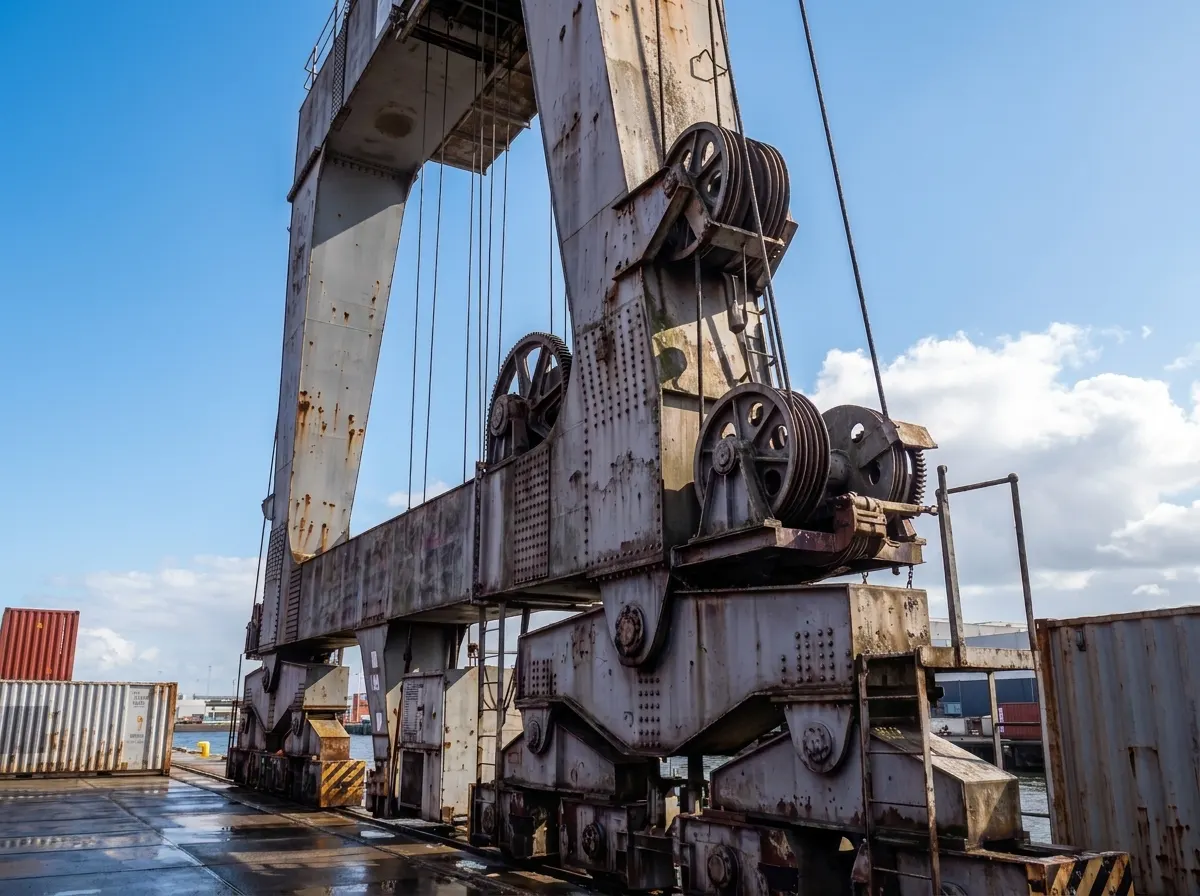
Industrial equipment
Custom components for cranes, motors, safety equipment and industrial braking or motion-control systems.
Industrial Equipment →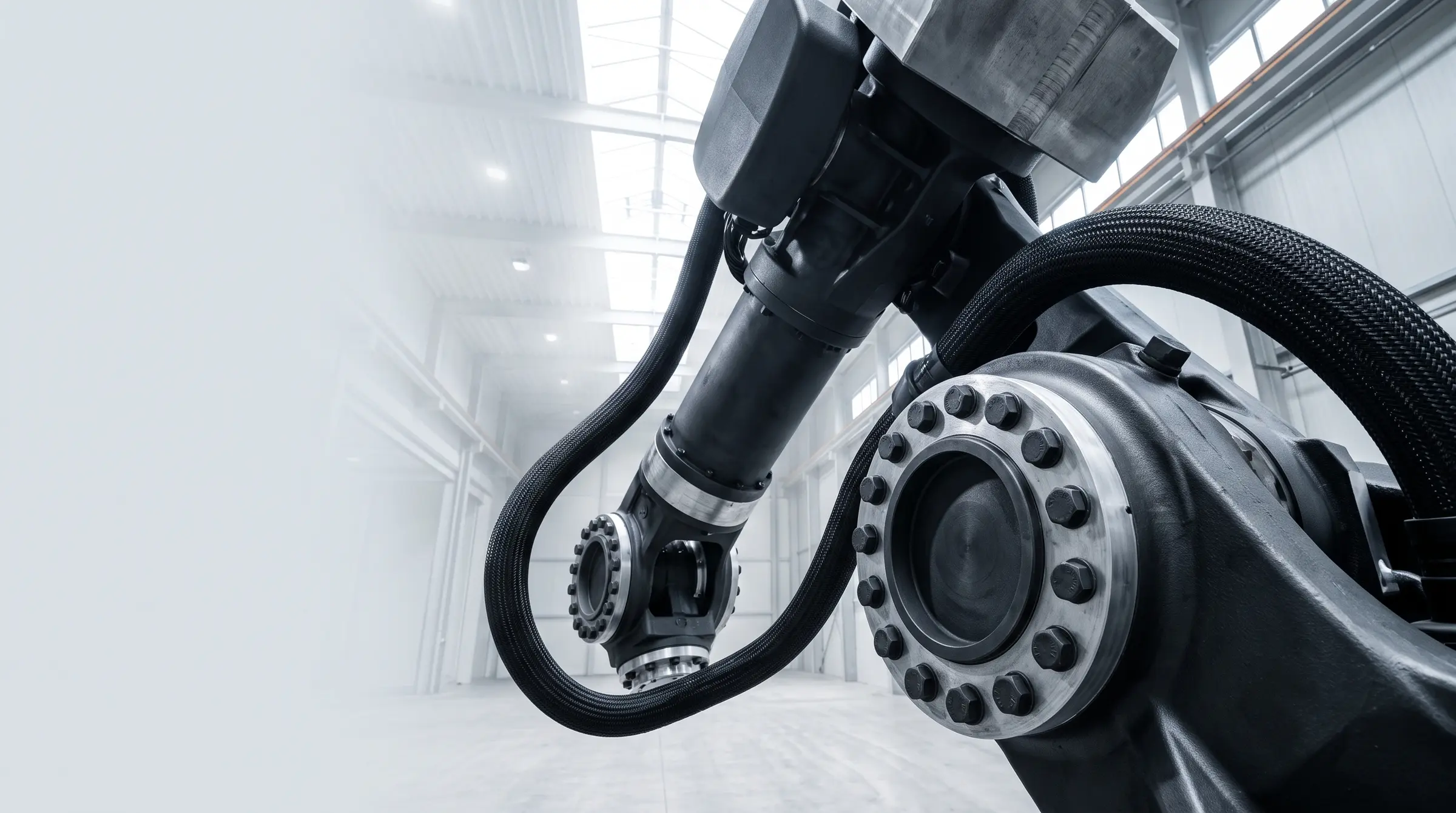
Robotics
Holding and braking components for industrial and collaborative robots, robotic joints and robotic arms.
Robotics →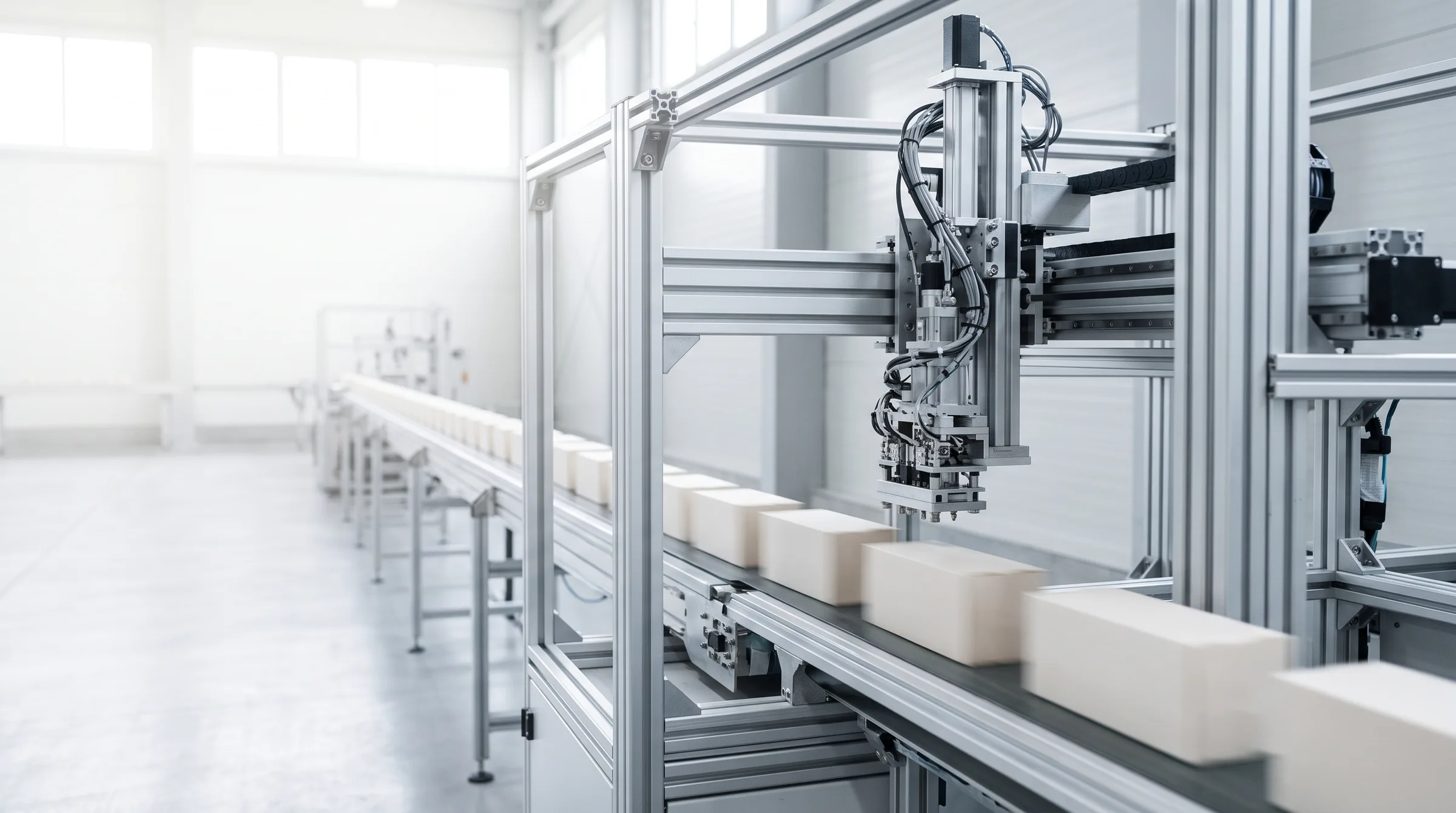
Industrial automation
Servo motor brakes, electromagnetic brakes and high-cycle clutches for automated lines and handling equipment.
Industrial Automation →Custom friction materials and complete components
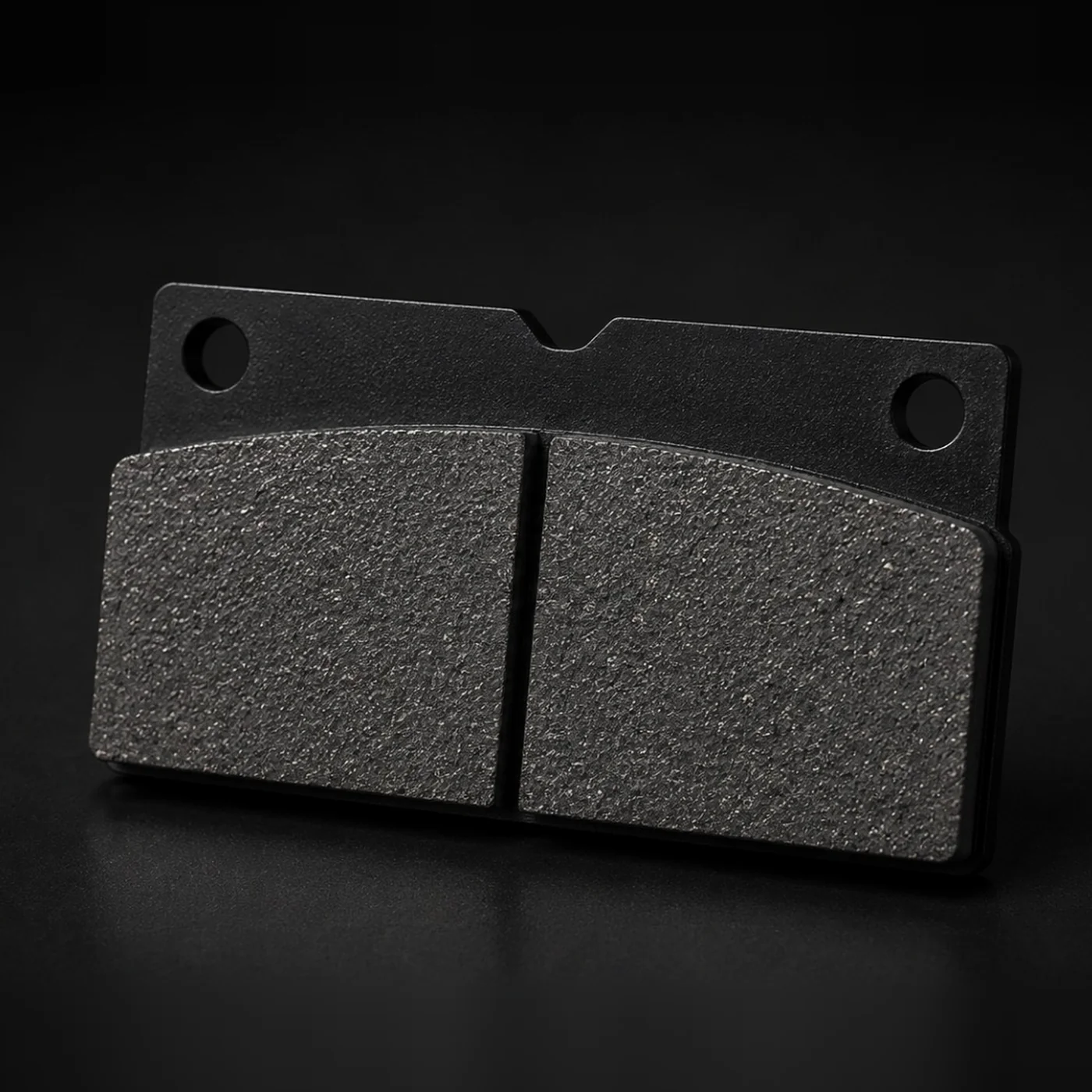
Friction material selection depends on the complete application, not a material name in isolation. FTL considers the operating environment, required behaviour and component design before recommending an established formulation or a development route.
Organic
Organic friction materials →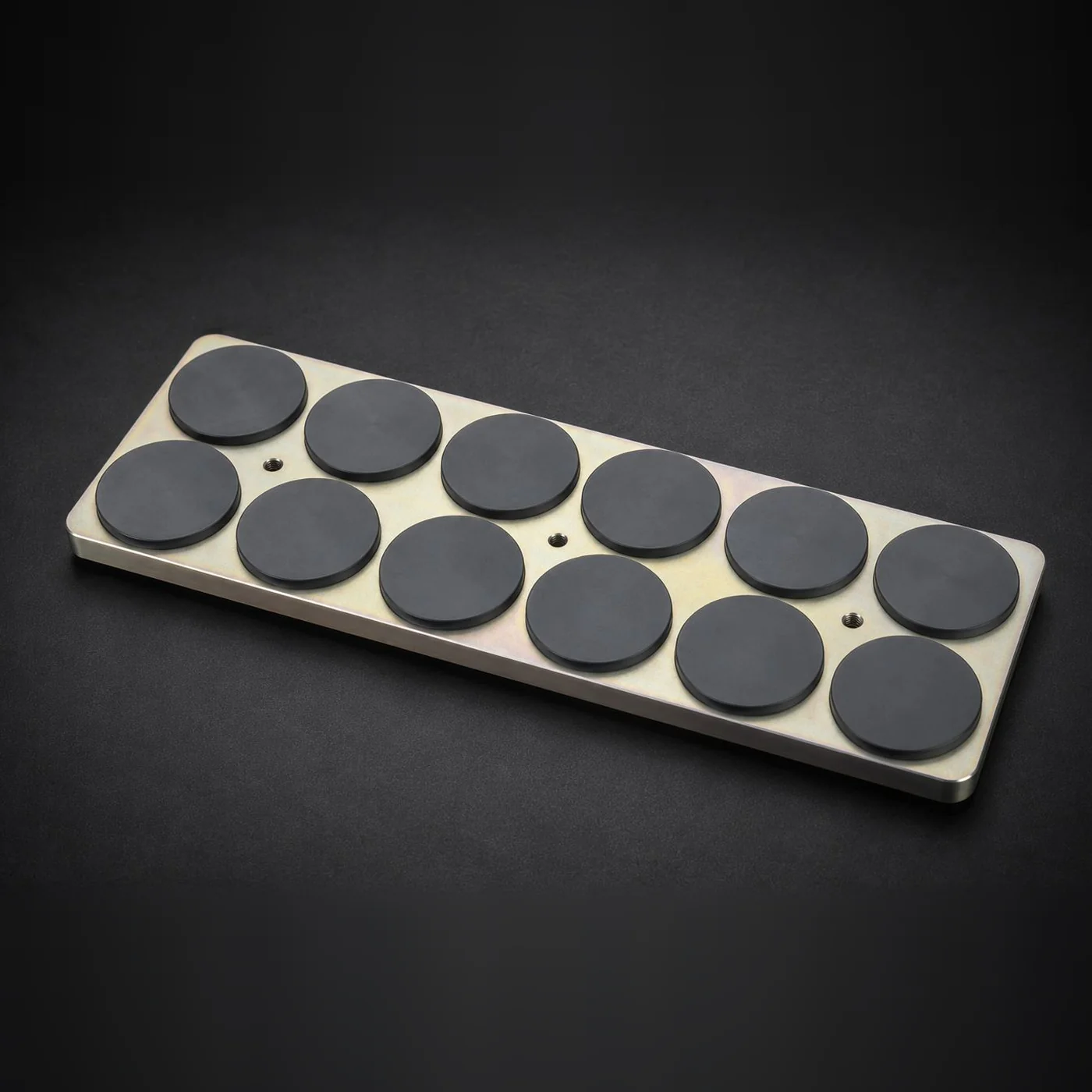
Composite
Composite friction materials →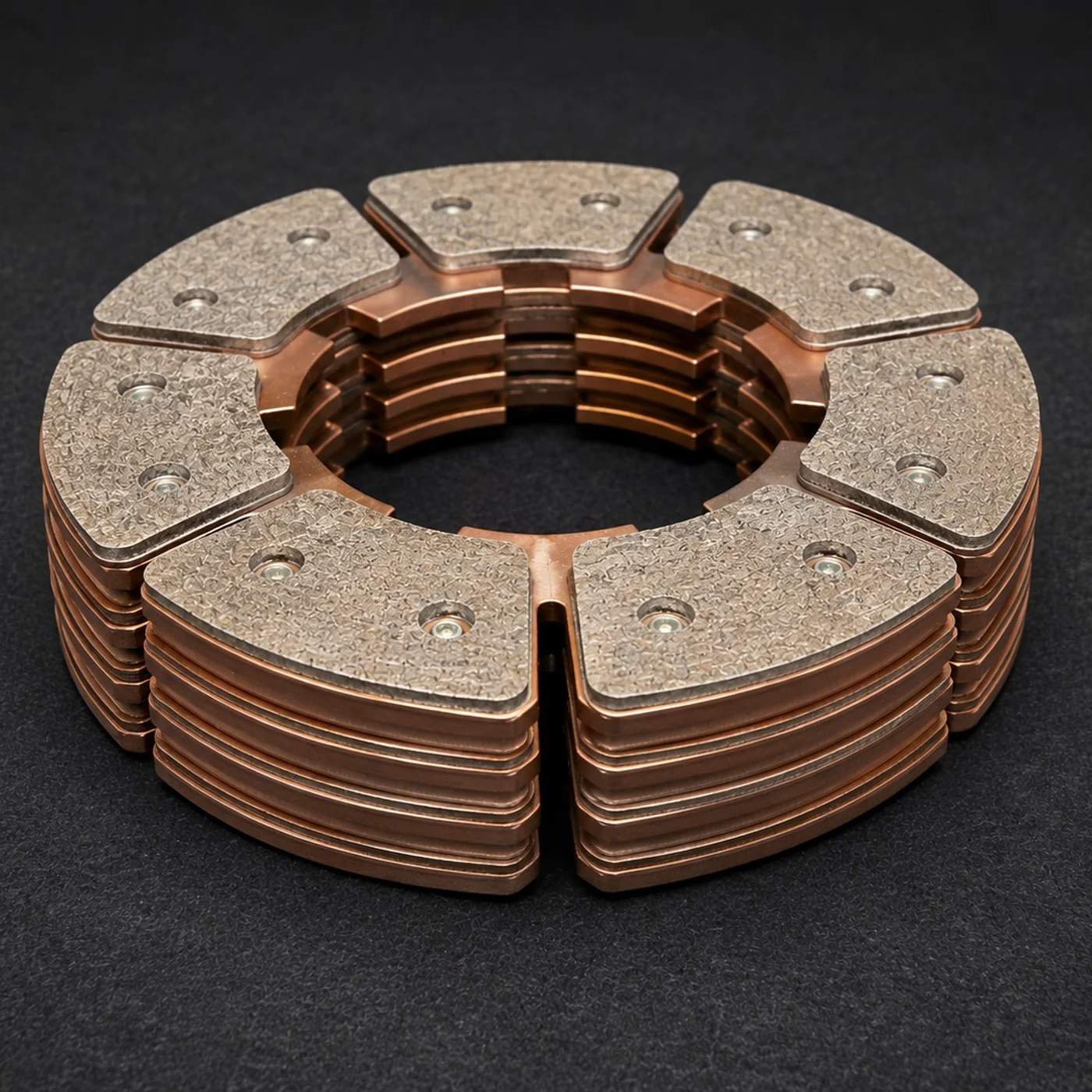
Sintered
Sintered friction materials →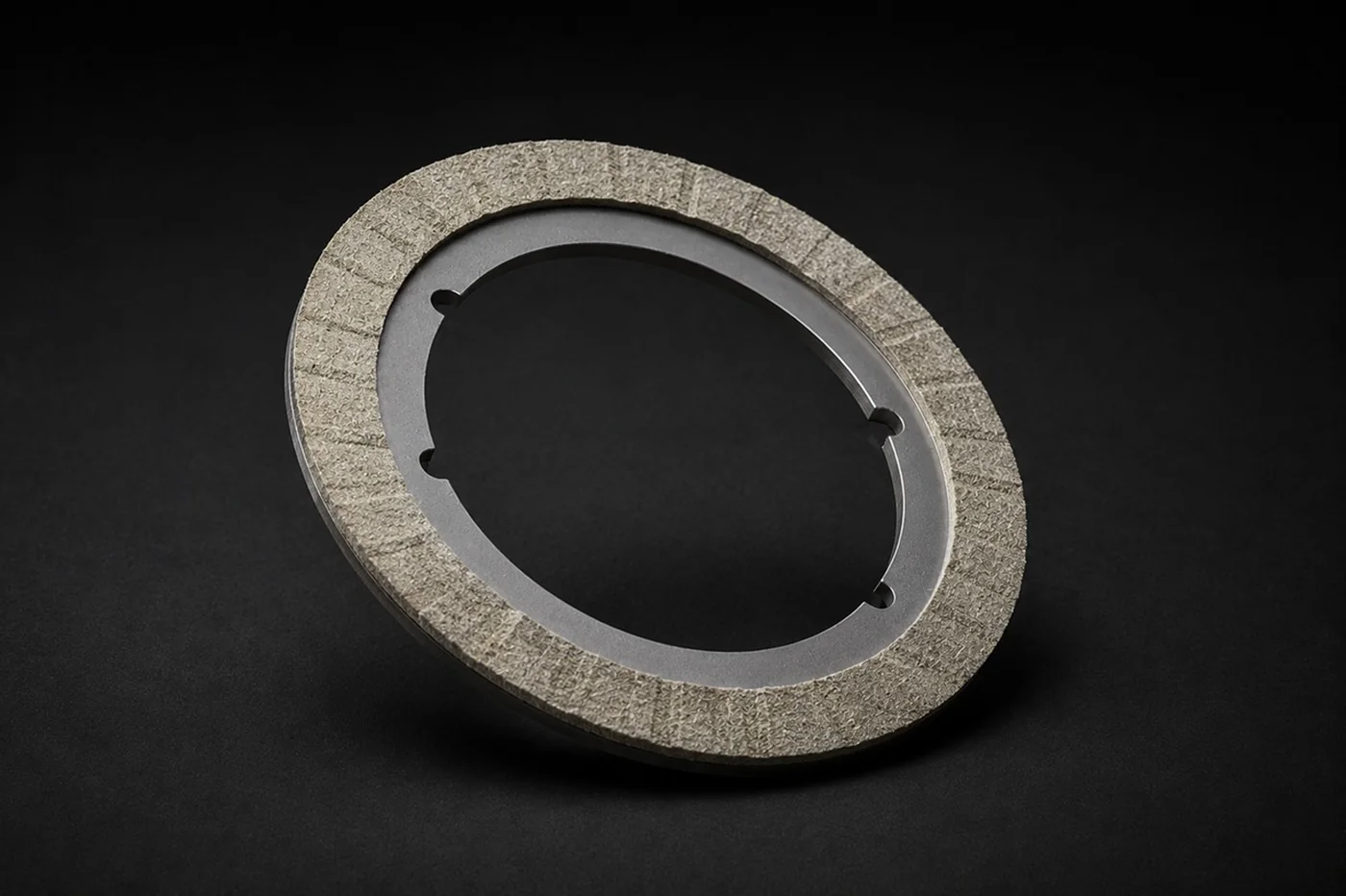
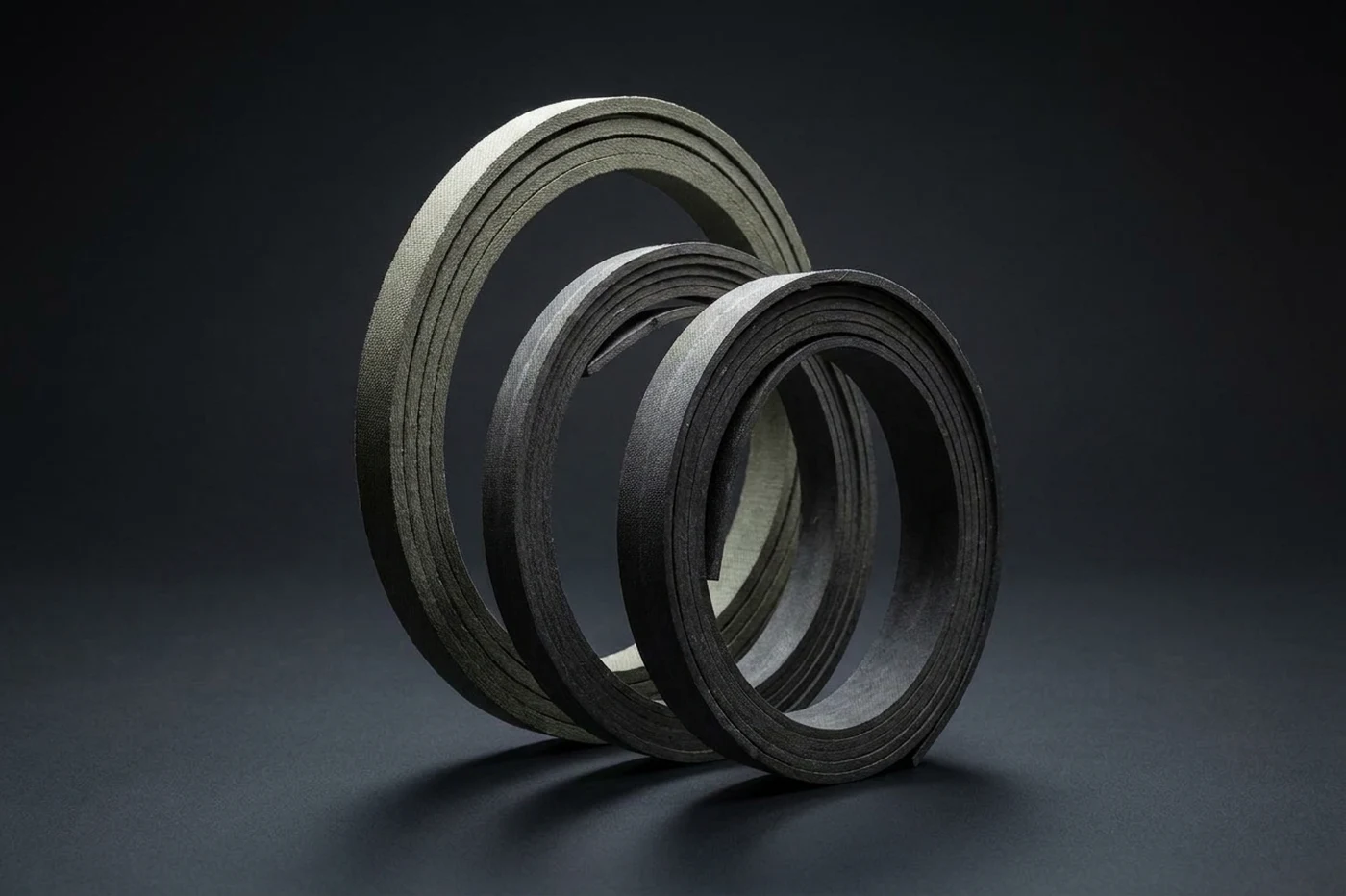
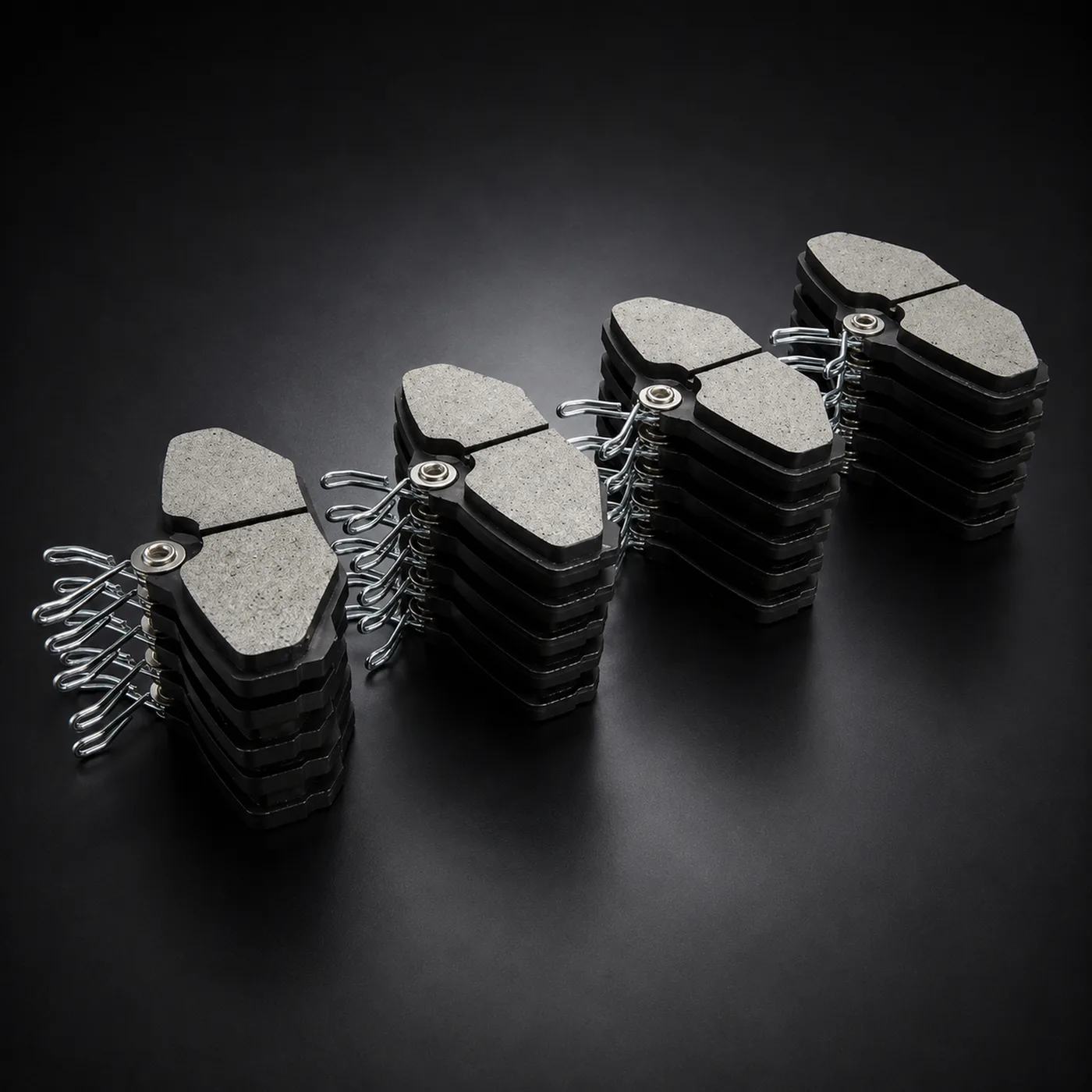
Complete components
Custom industrial brake pads and bonded assemblies →Published data is a starting point. Final selection is based on the application and agreed technical requirements.
Engineering capability backed by controlled manufacture
Before approving a new friction solution, buyers need evidence that the supplier can support the engineering work, manufacture consistently and help establish a validation route.
Quality systems and traceability
In-process checks, dimensional inspection, testing, batch records and final inspection documentation within scope.
View Quality & Certifications →Obsolete aircraft brake-pad replacement. SDTS approached FTL after the original aircraft brake pad was no longer available. FTL redesigned the pad to meet the stated aeronautical requirements, supporting the route to a certifiable aircraft modification.
“The quality of the manufactured product is remarkable. Thanks to FTL, we can continue to fly, land, and brake safely.”
Olivier Moulin 


Frequently asked questions about custom friction manufacturing
What does a custom friction material manufacturer do?
Can FTL match or improve the performance of an existing friction material?
Can FTL reverse engineer an obsolete component without the original drawing?
What friction material types does FTL work with?
Does FTL supply complete components or only friction material?
What information should I provide with an enquiry?
Where does FTL supply?
Bring us the application, drawing or performance problem.
Tell Friction Technology what the component or friction system needs to do. A short initial brief is enough to start. The right technical and commercial people then join the conversation to understand the operating conditions, available information and required next step.
Optional drawing or specification upload. No long technical questionnaire at this stage.